Róng Museum of Art

Ole Scheeren © Buro-OS

Conceived for Tenova Future, the Róng Museum of Art will be focused on visual culture of the 20th and 21st century. The new institution asserts a civic responsibility of big tech towards culture and urban life in China’s capital of innovation.
TYPE
Museum; Cultural
Status
Commission: 2018
Construction: 2023
Completion: 2026
Opening: 2027
Client
Tenova
Location
Shenzhen, China
Site
Houhai, Nanshan District, Shenzhen
Scale
Gross Floor Area: 14,500 m2 Museum Area: 4,500 m2 Gallery Space: 2,300 m2
Height
T4 (Stepping Roof – 24.00m, 34.15m, 53.00m)
Program
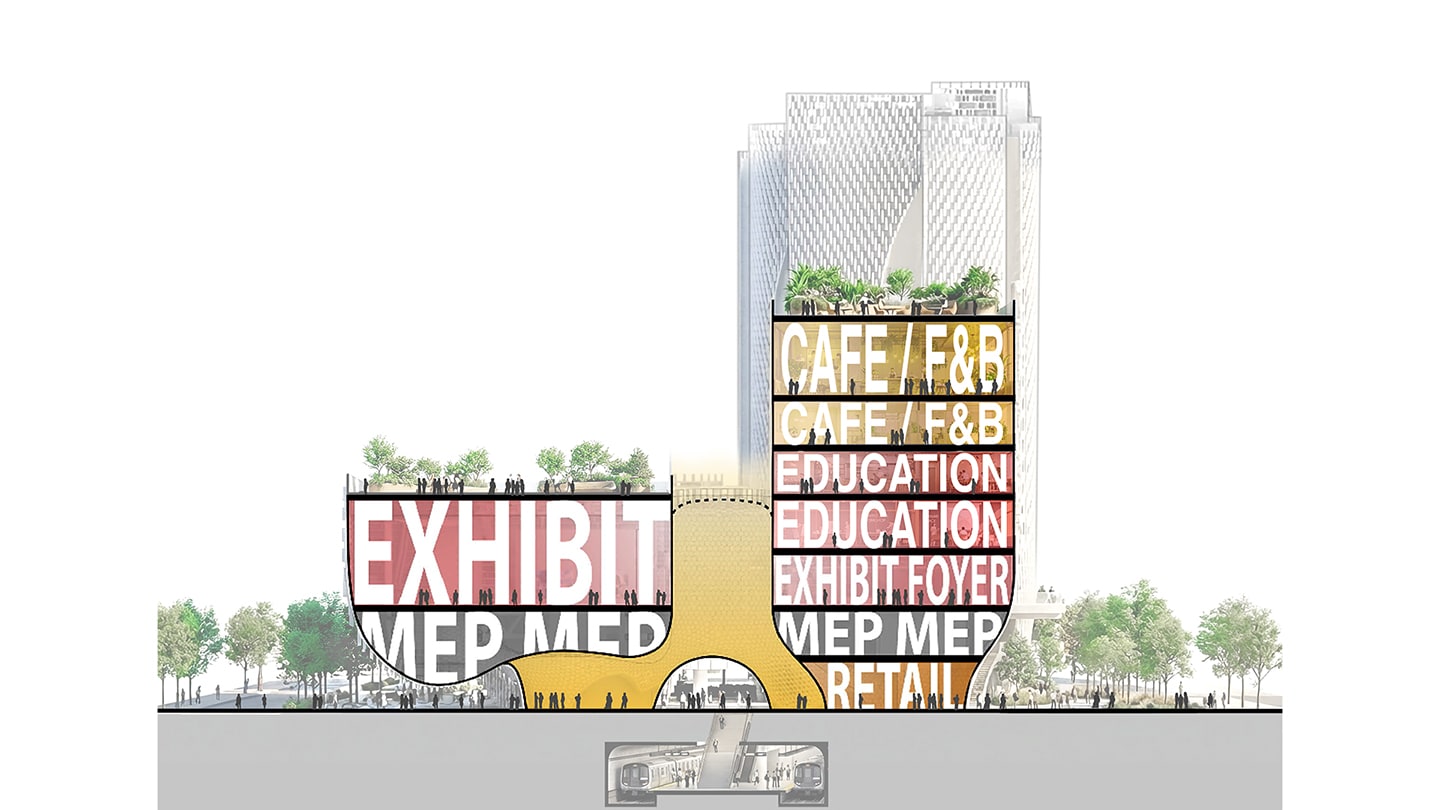
Cultural Building (Museum Retail, Galleries, Education, Gallery Offices, F&B)

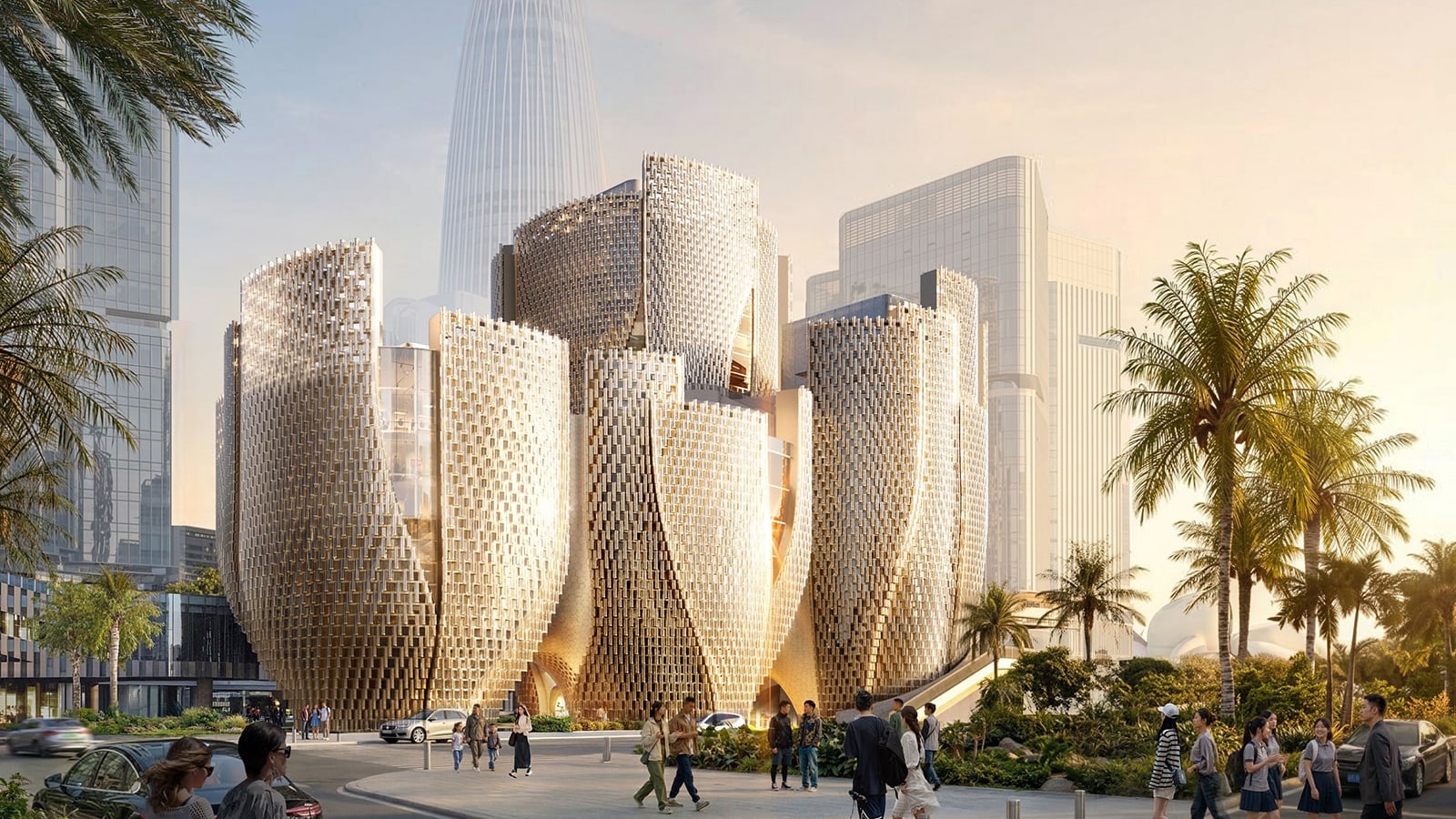
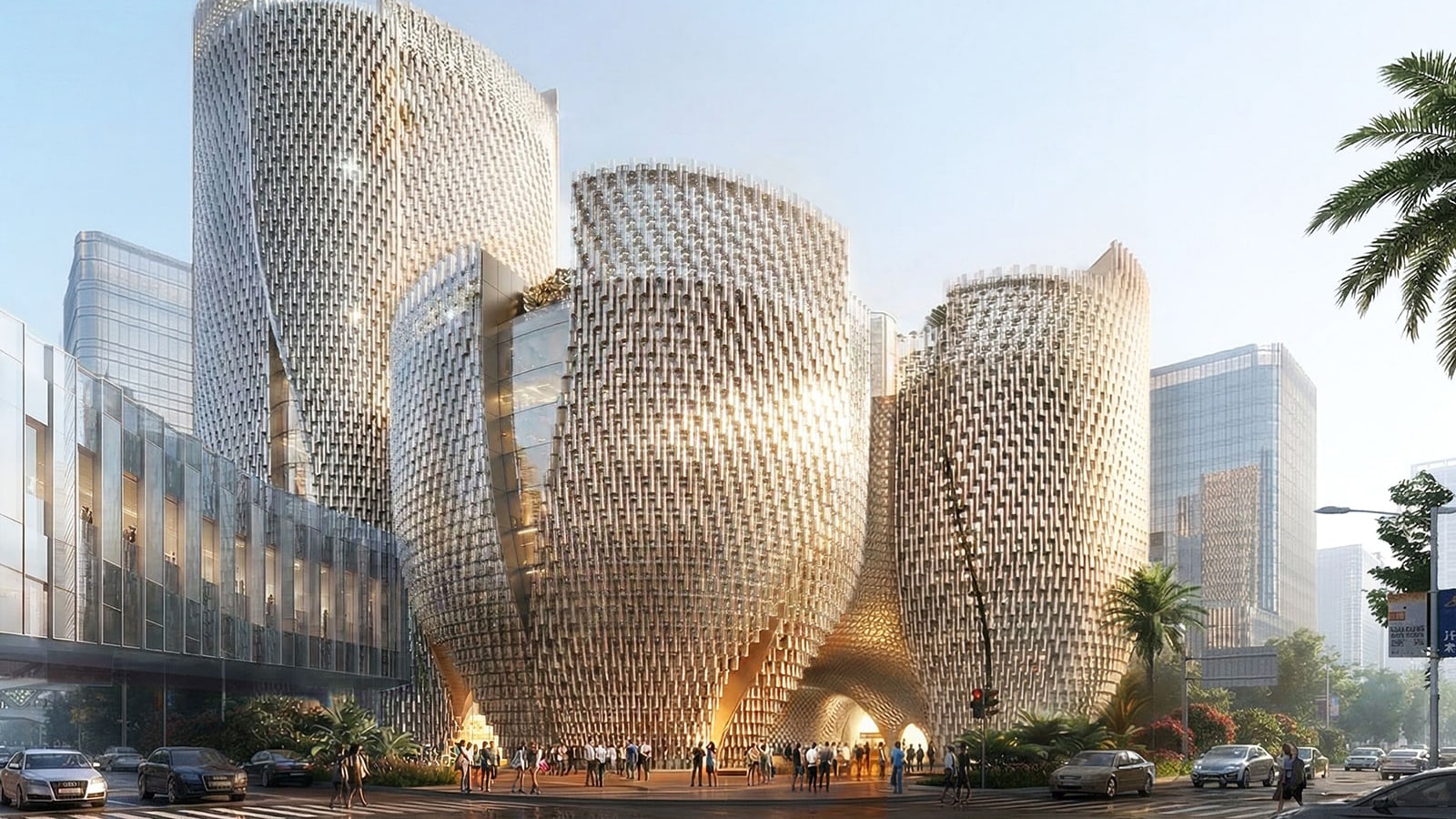
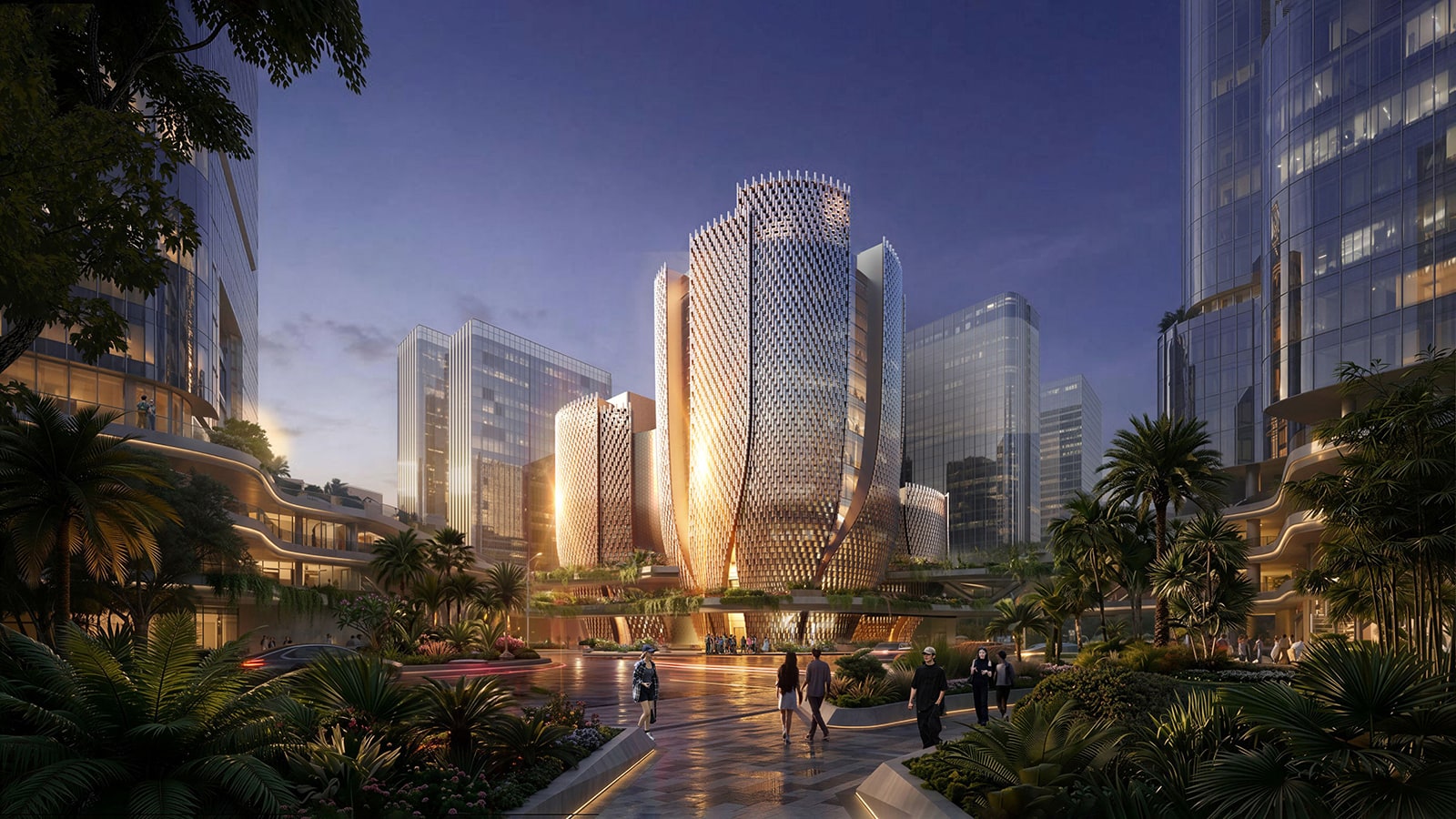
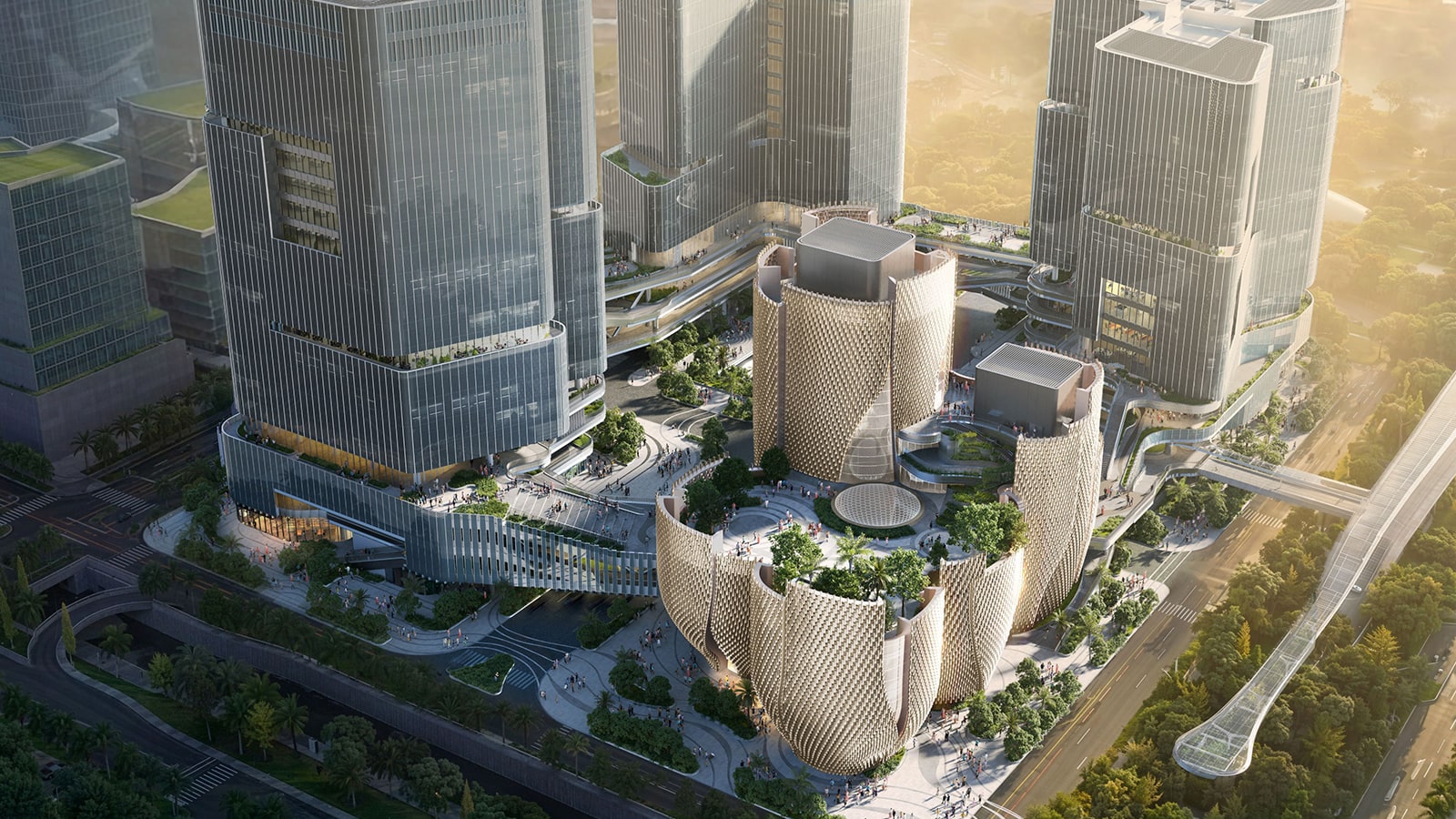
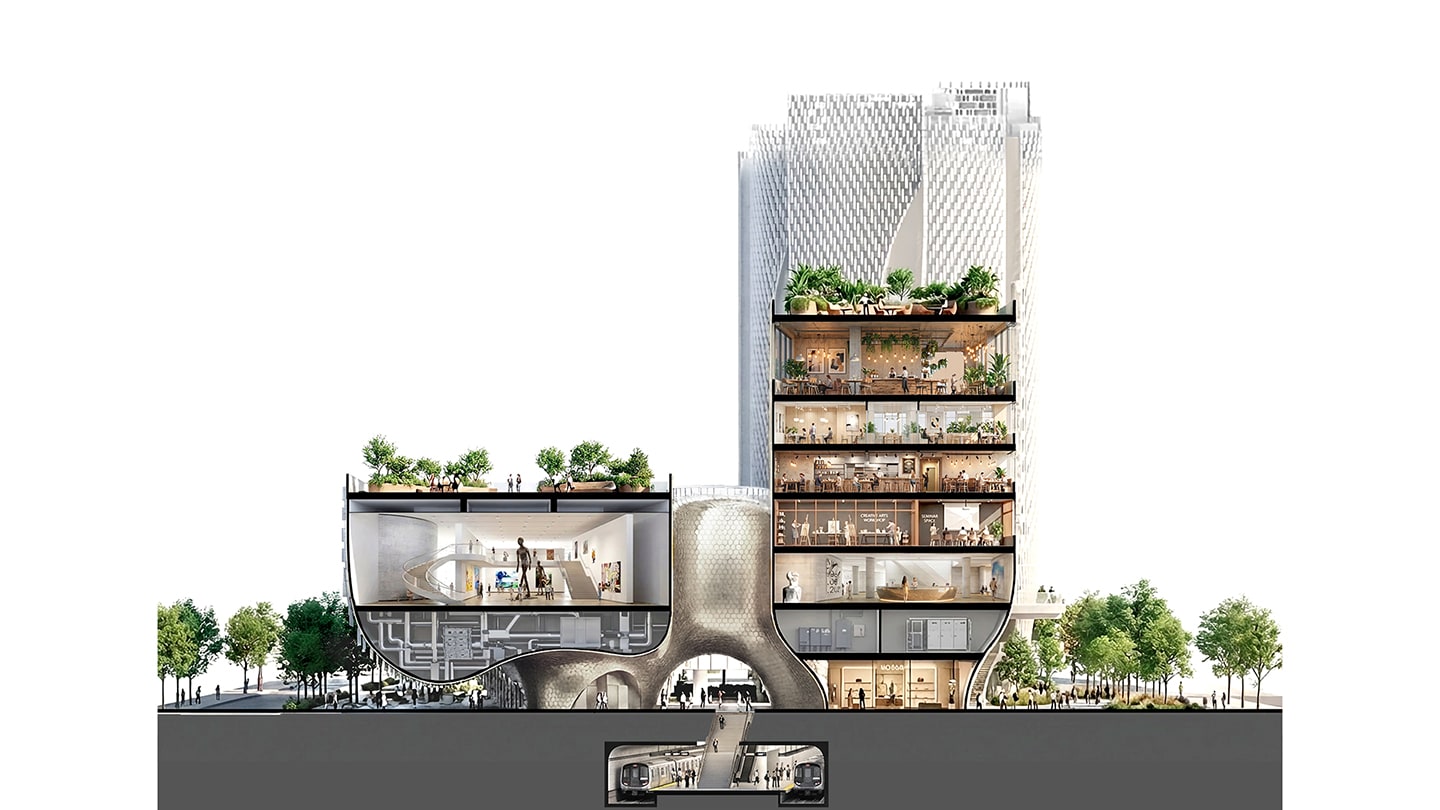
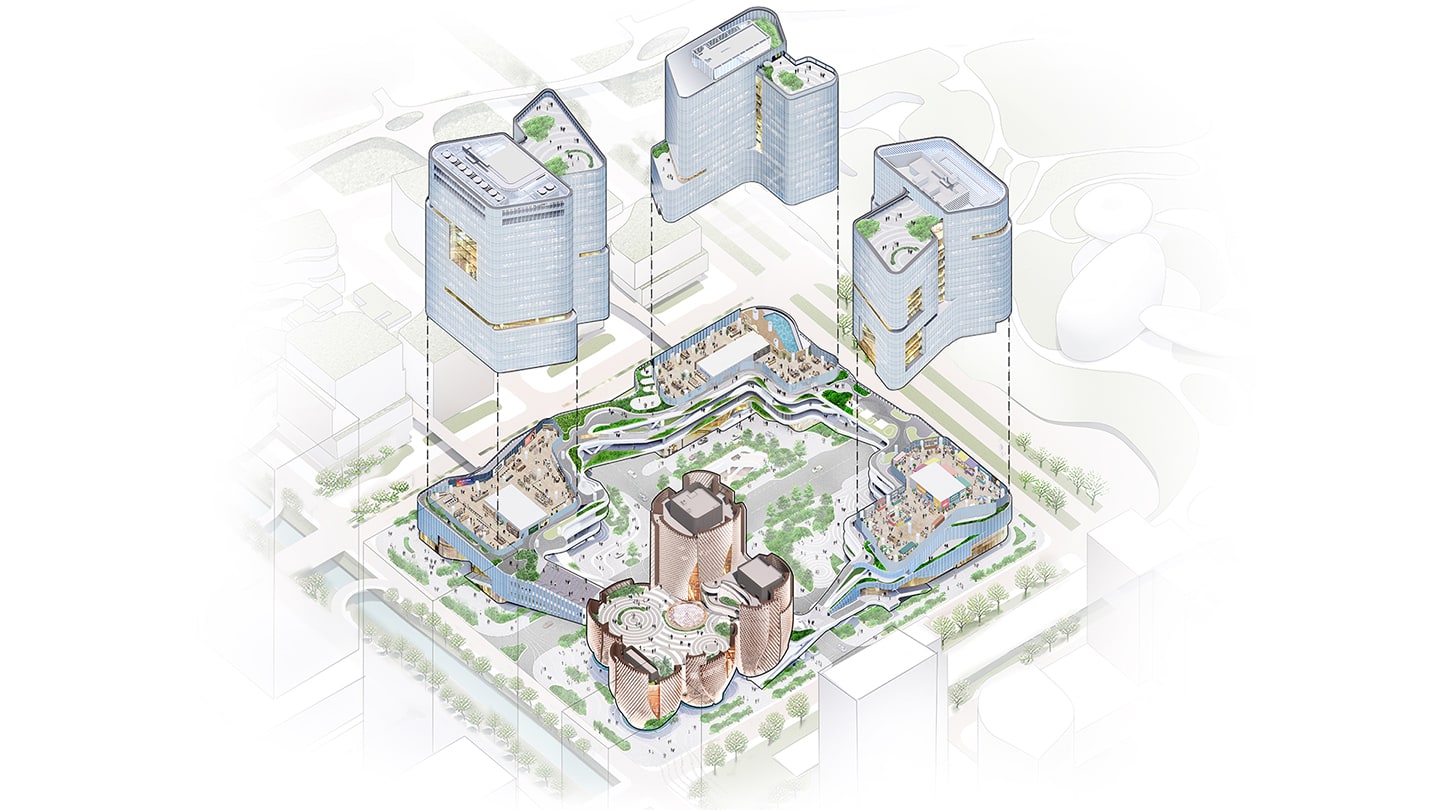
Ole Scheeren’s design for Róng Museum of Art creates a symbiotic space in Shenzhen’s Nanshan District dedicated to visual and digital culture of the 20th and 21st century, including art, design, architecture and film. The museum forms the cornerstone of the Houhai Hybrid Campus – also designed by Ole Scheeren – which integrates residences, offices, curated specialty retail, and a House Hotel operated by Swire Properties into a 24‑hour urban ecosystem.


Named after the Chinese character for “symbiosis” and “integration,” the Róng Museum of Art marks a significant milestone in how Shenzhen’s tech‑driven economy supports arts and culture. Commissioned by the founder of Tencent, the tech giant behind WeChat, the museum reflects a growing ambition among China’s most successful technology entrepreneurs to contribute to public life and cultural infrastructure. Nanshan District alone generates an economy comparable to that of Singapore or some European countries, while the city of Shenzhen produces a GDP on the scale of nations such as Thailand. Against this backdrop, the Róng Museum of Art becomes a unique cultural institution that channels technology-based prosperity to support the wider urban development of Shenzhen into a global city with its own artistic voice.

 
“What is significant is that the founder of Tencent, one of China’s most successful innovation businesses, is using his company’s position at the forefront of China’s tech industry to open new ground for culture and urban development. From the very beginning, we worked closely to define a museum and overall complex that is not only a showcase, but a symbiotic urban and ecological statement with big tech as a central cultural patron” says Ole Scheeren.

 
“Around the world, most tech environments are relentlessly self‑focused. Here, the ambition is to chart a different path by investing in public space, cultural venues and education, and to use economic success to underwrite a deeper, more generous engagement with the city and wider society.”


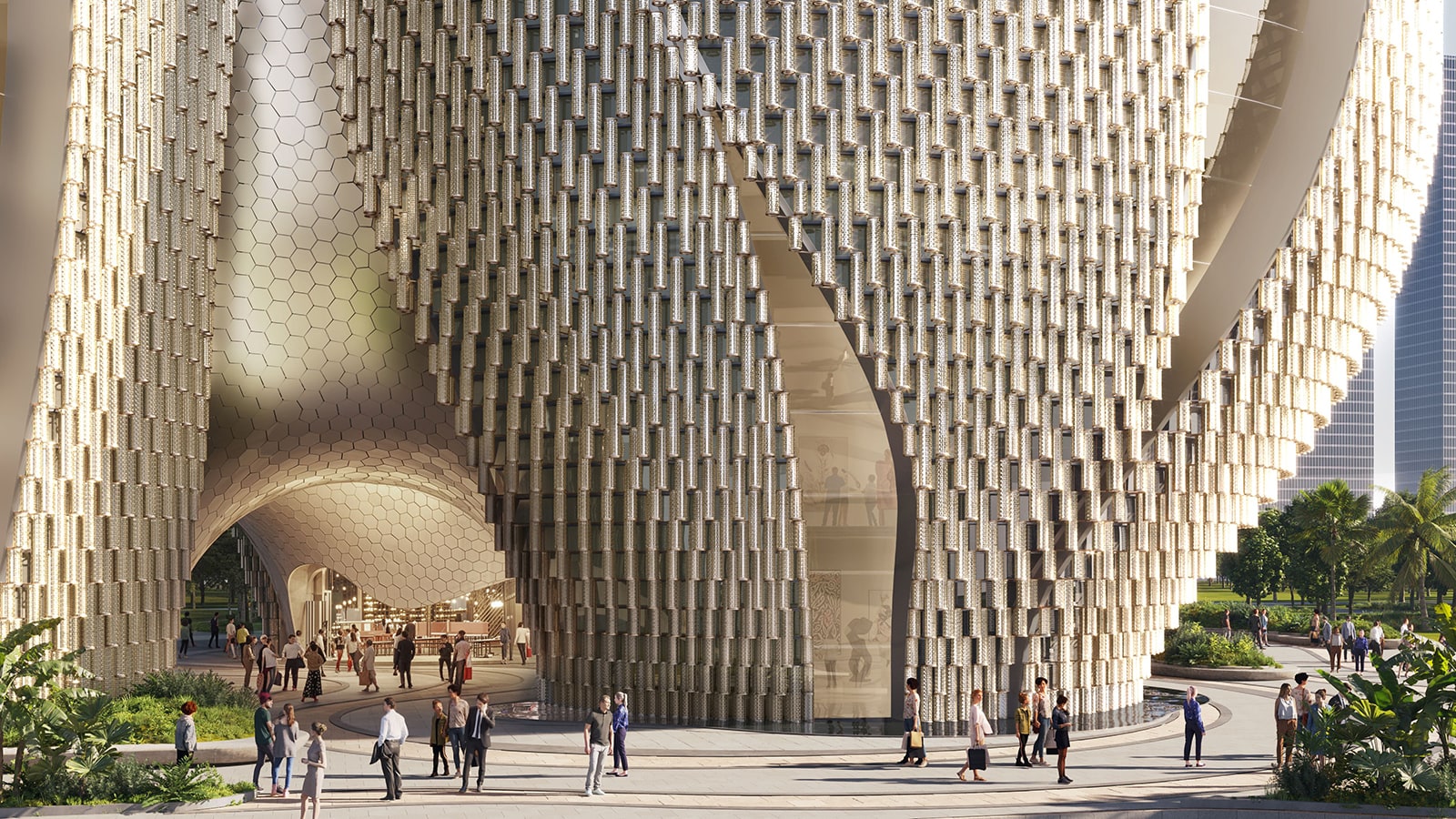
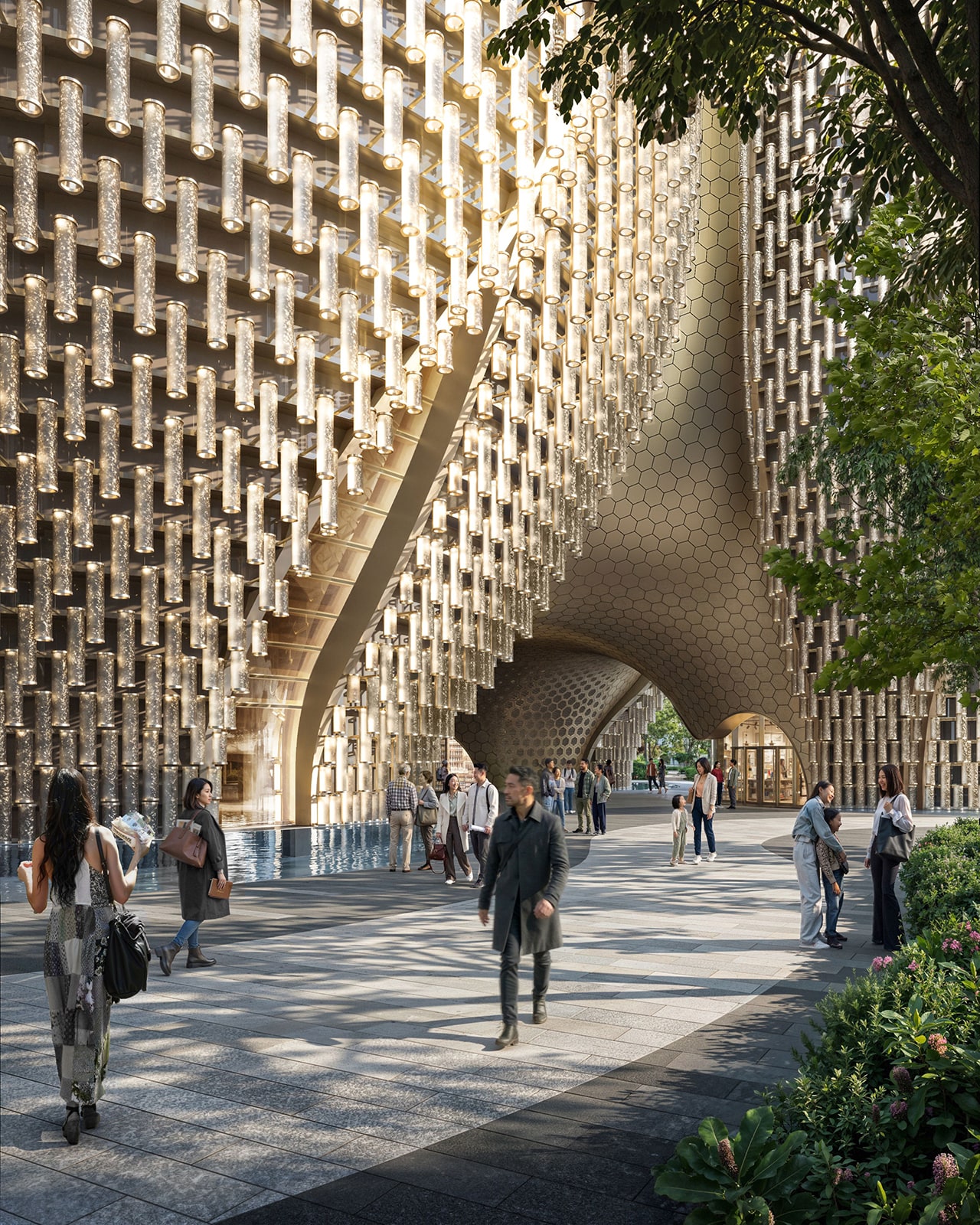
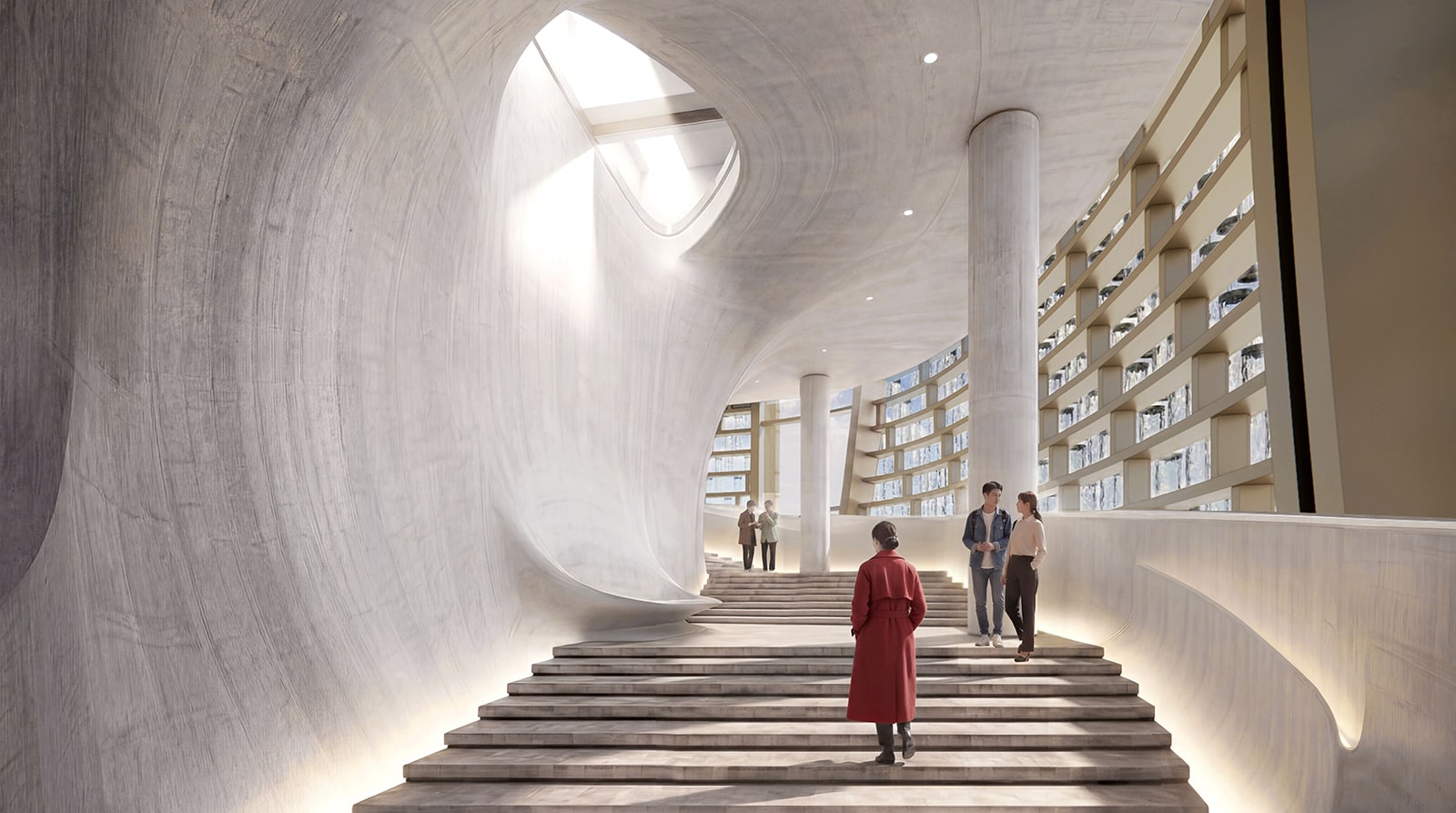
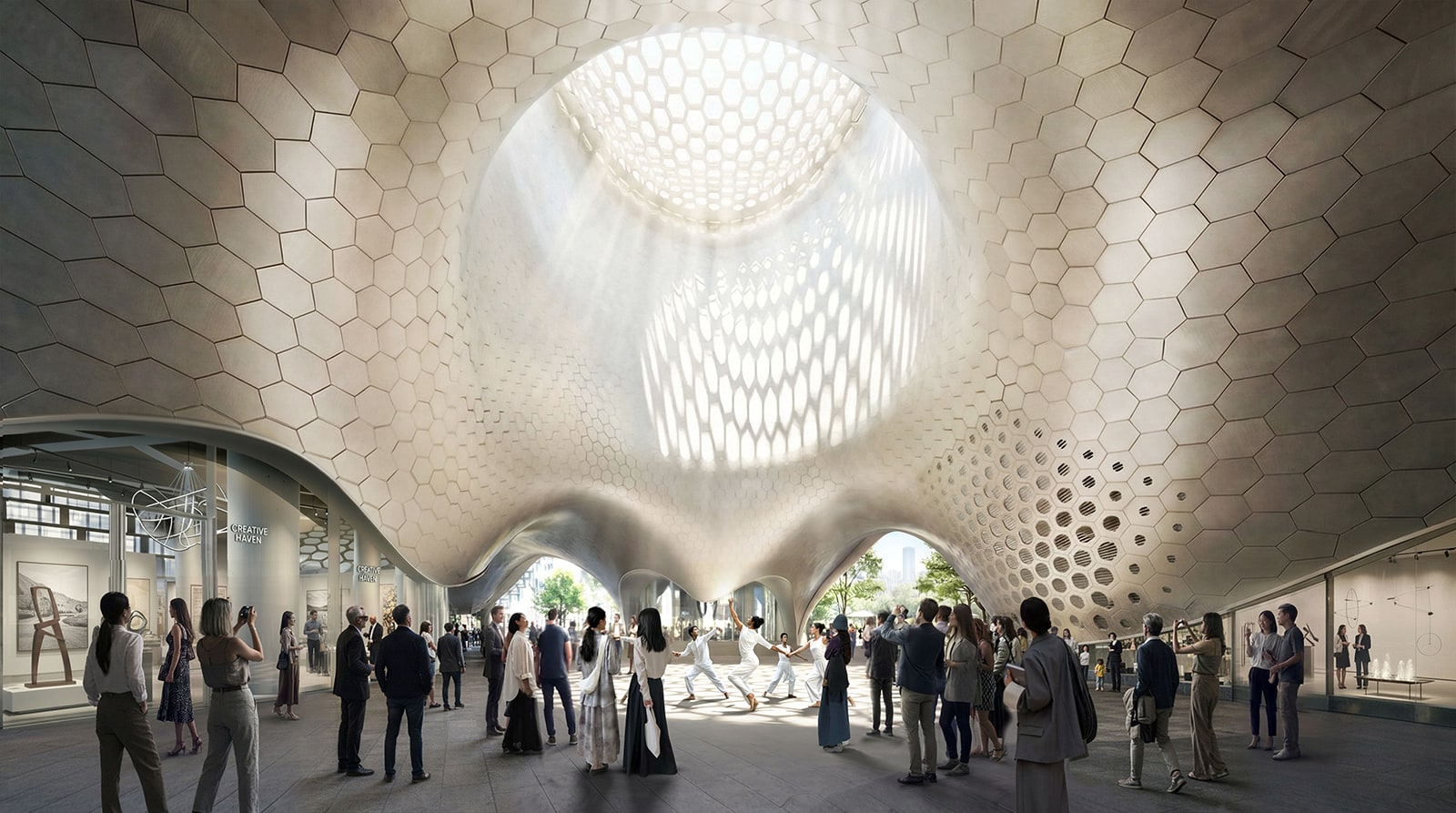
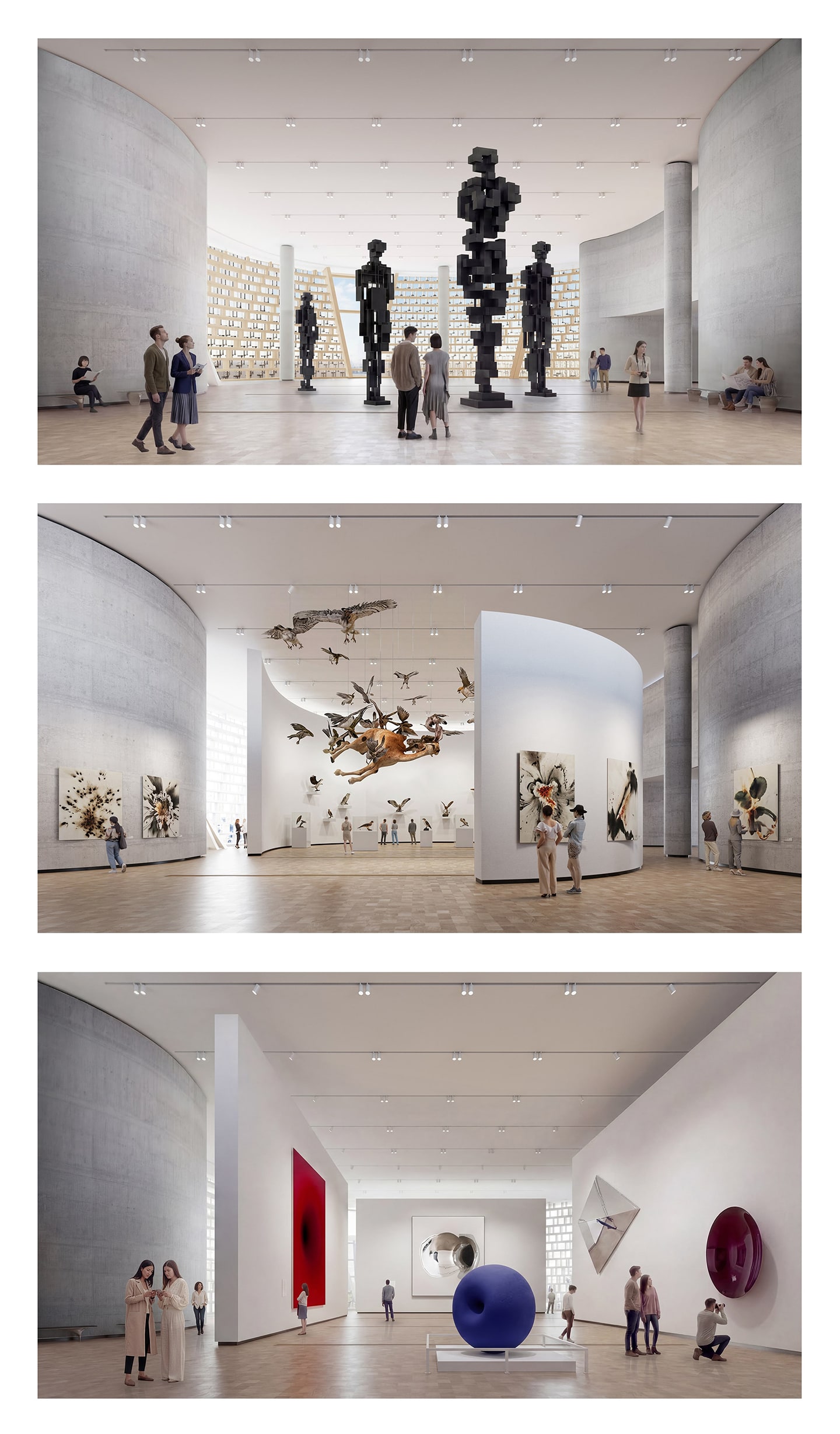
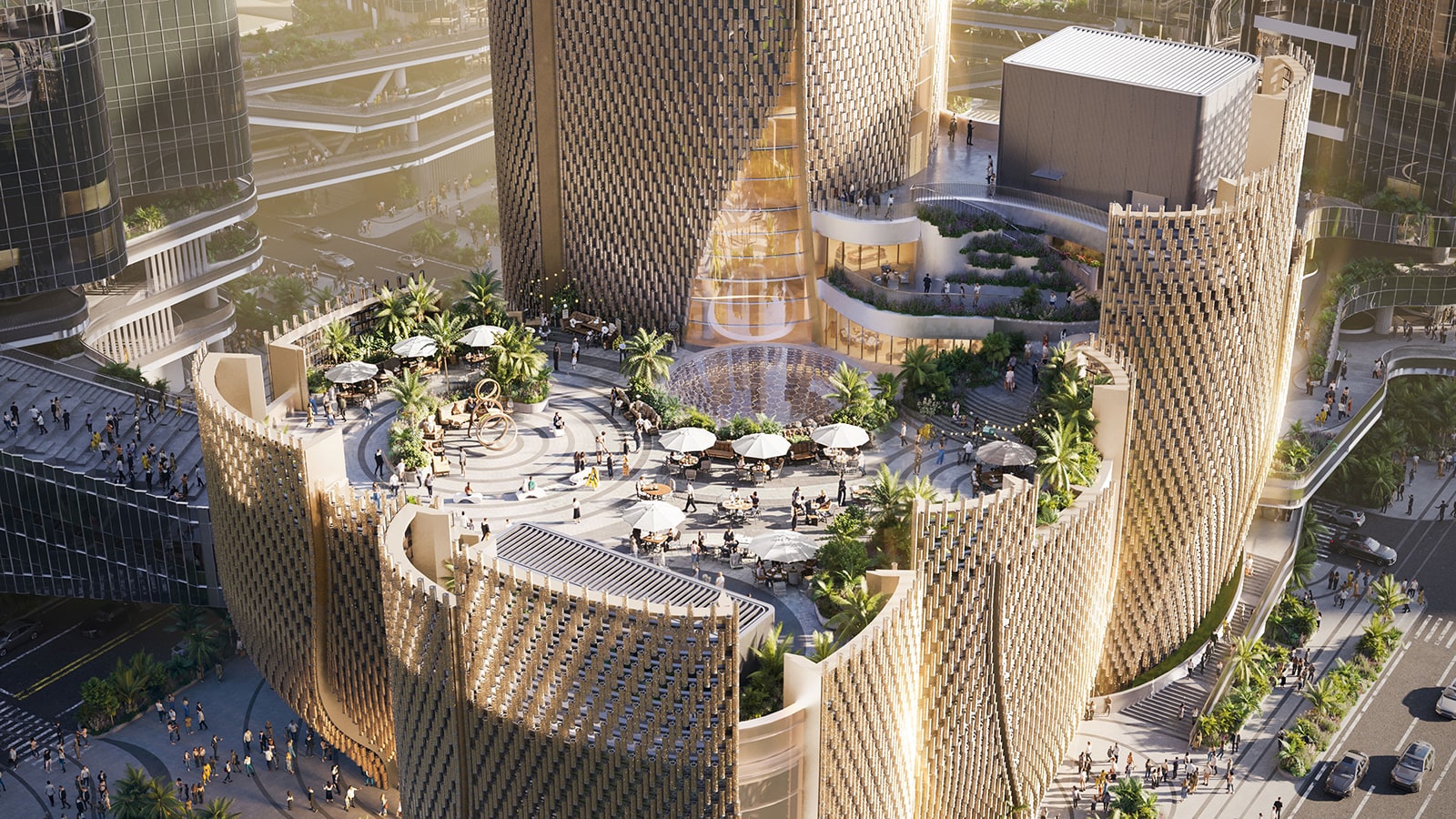
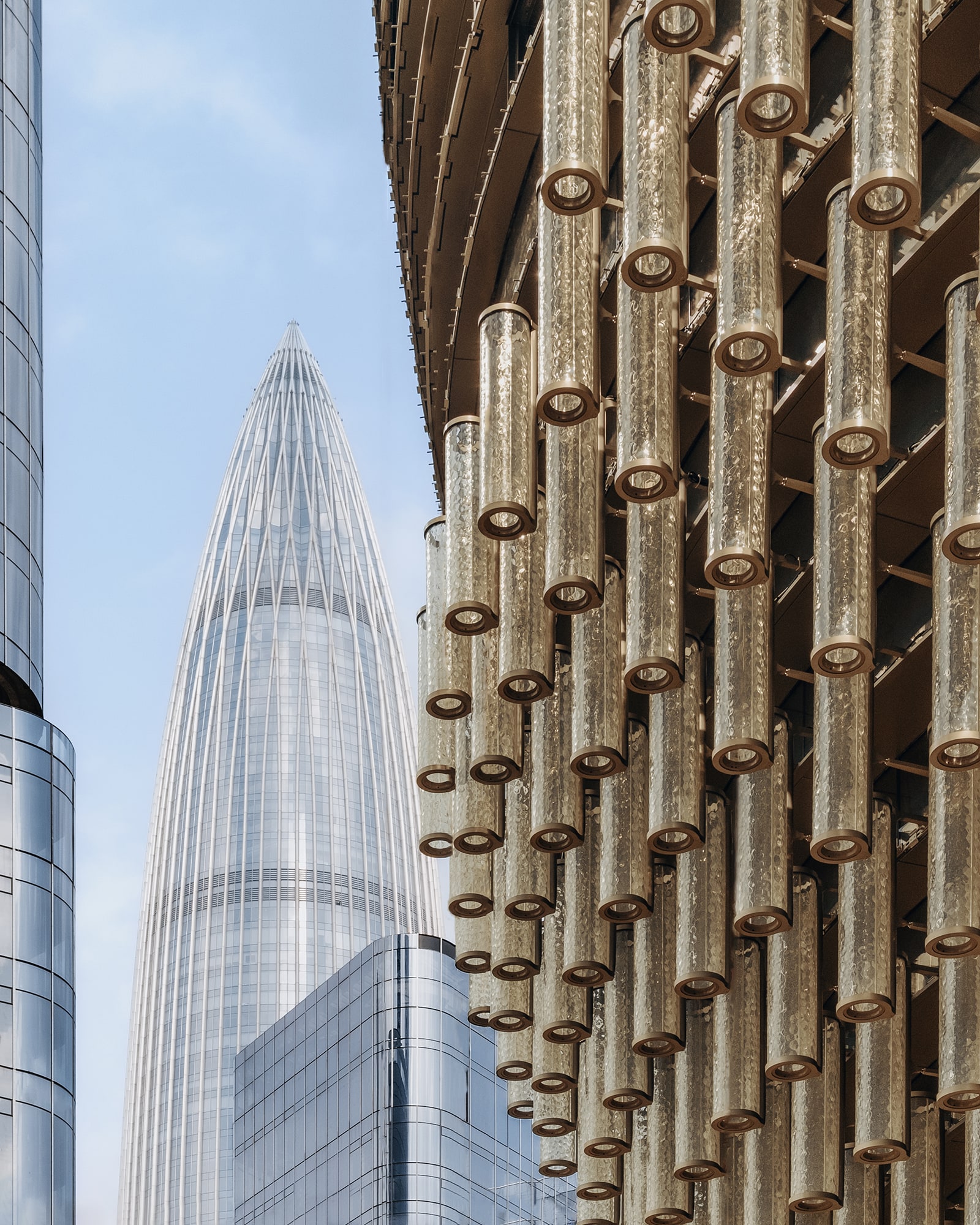
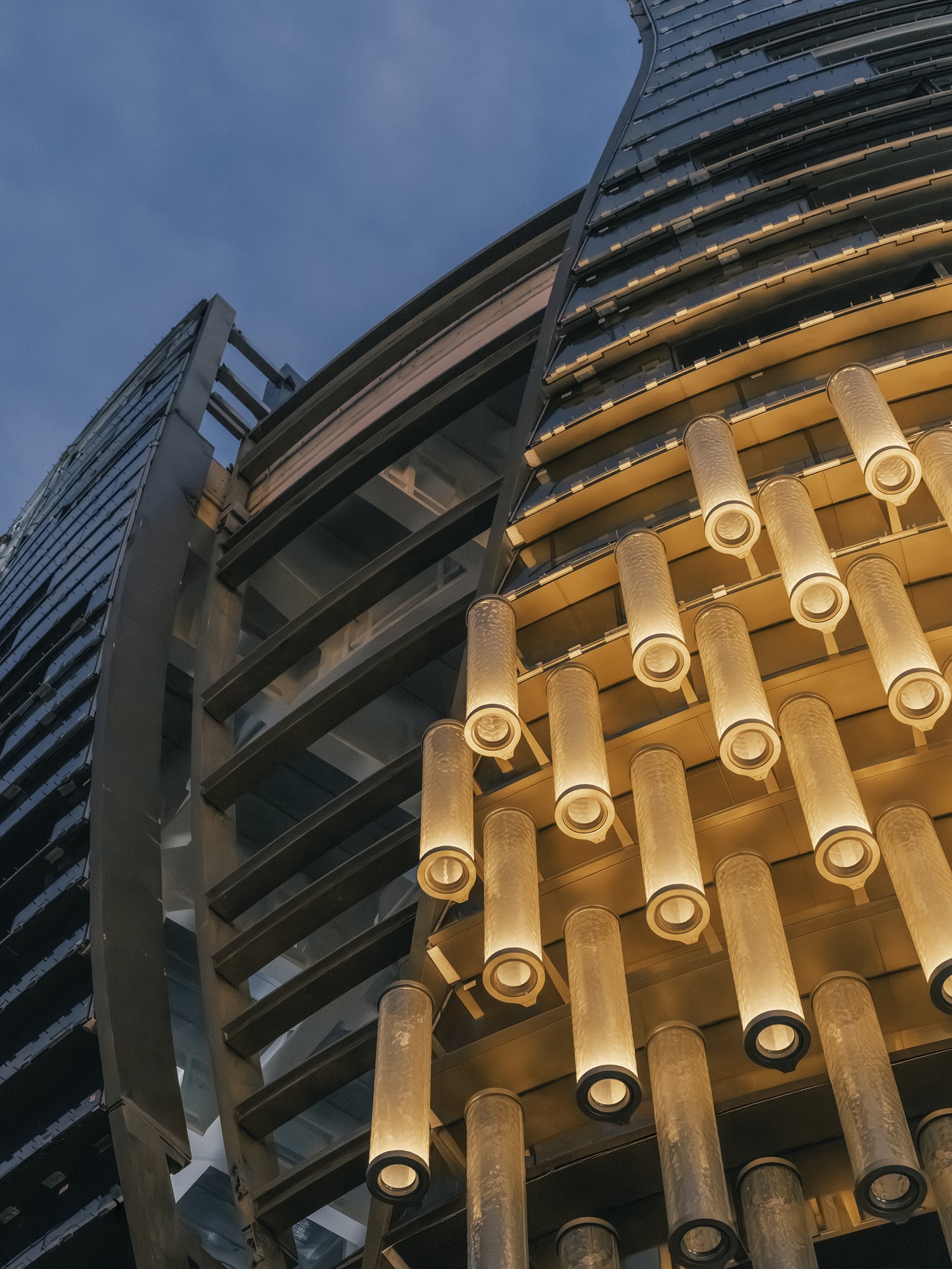
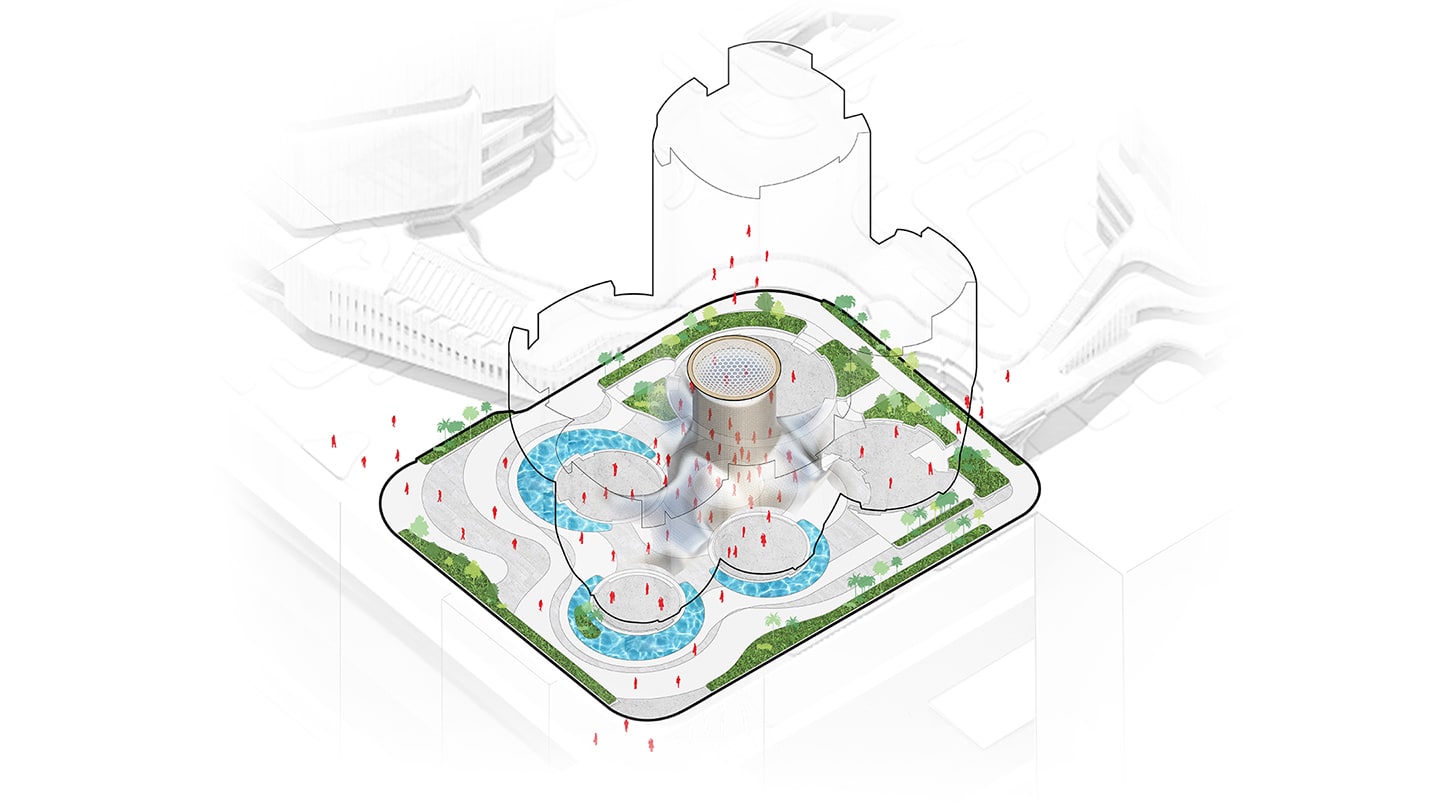
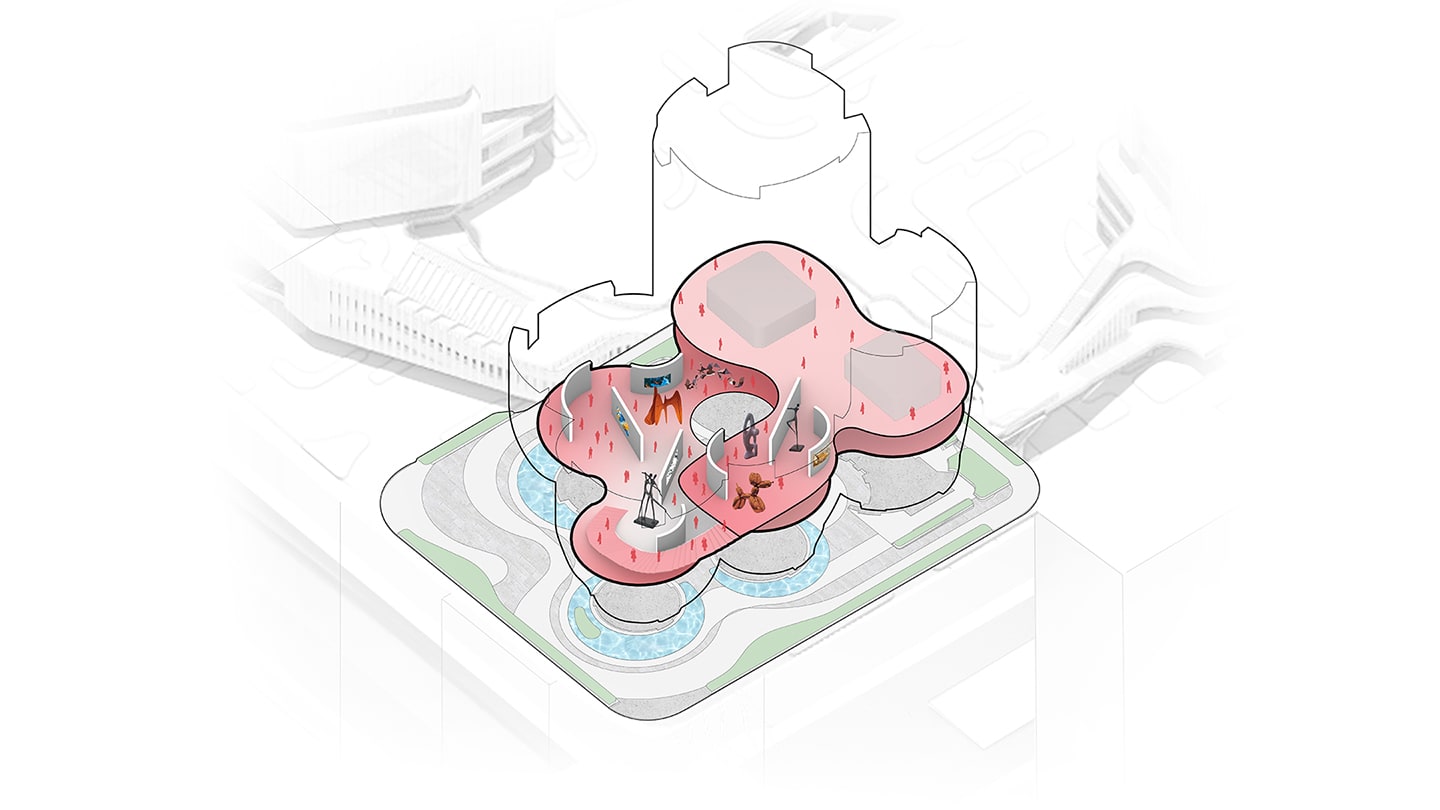
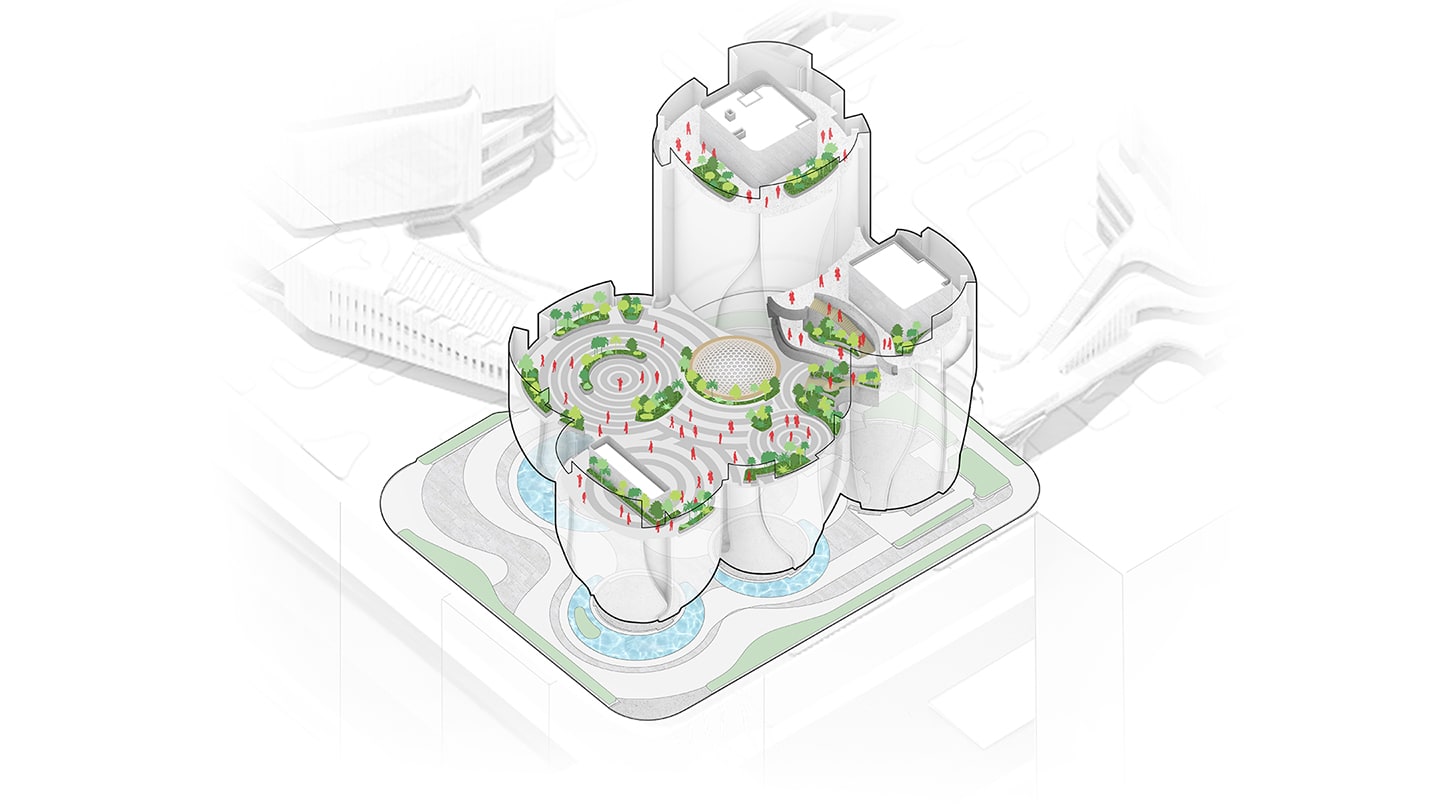
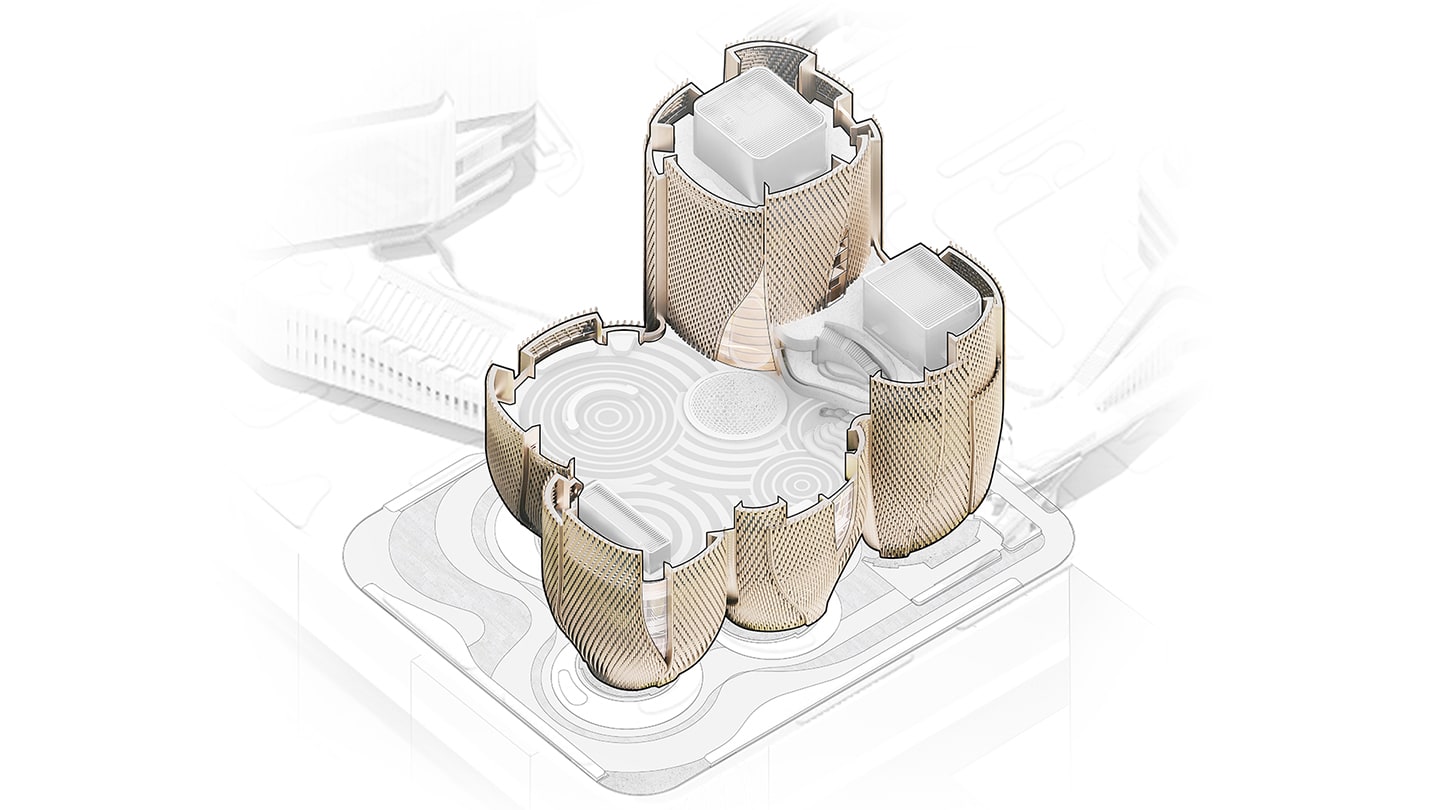
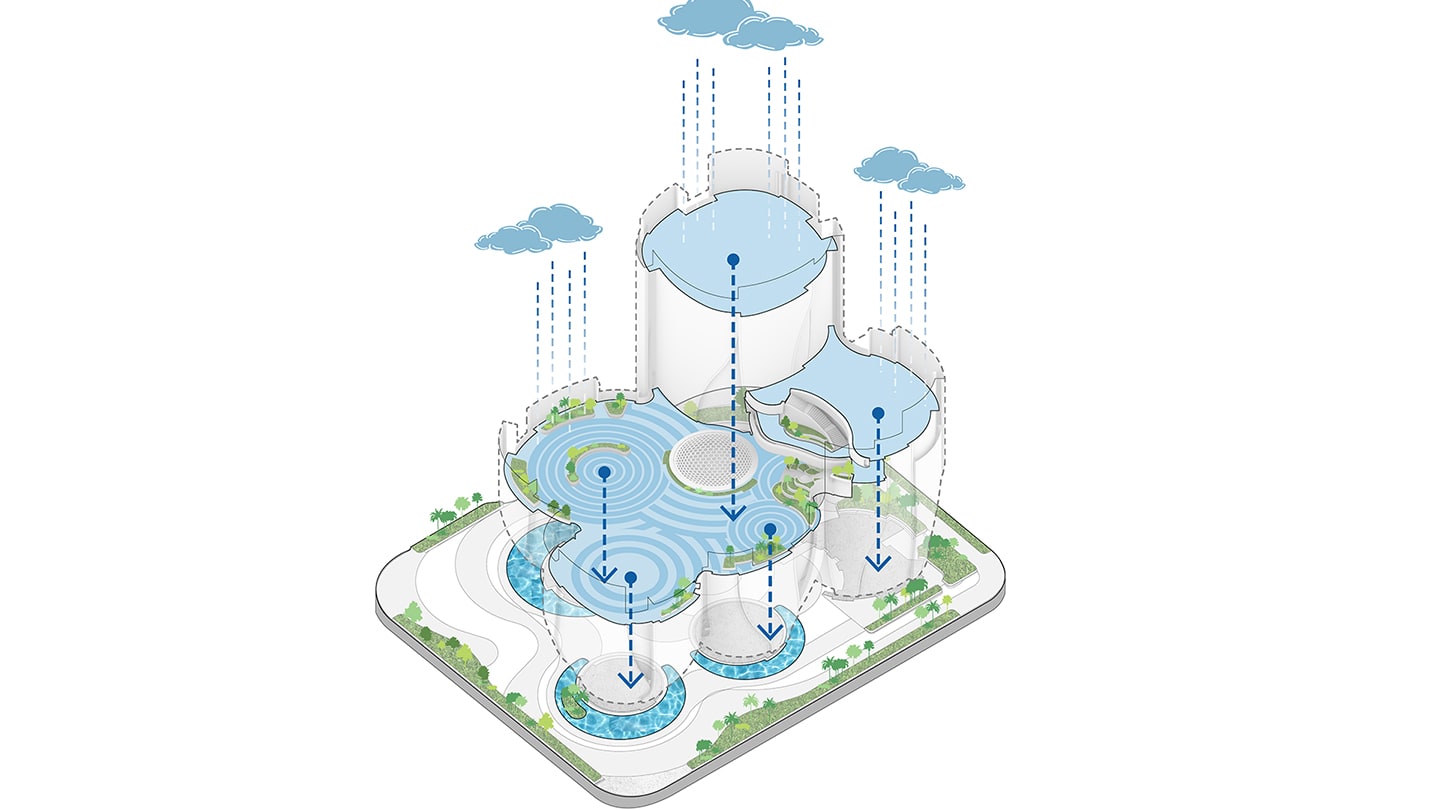
Architecturally, the Róng Museum of Art is designed to generate curiosity and invite movement and exchange between the museum, the Hybrid Campus and the surrounding city. The museum comprises a total of 4,500 square meters, with 2,300 square meters of gallery space, as well as extensive educational facilities, including a major public art library, workshops, spaces for lectures and screenings, culture- focused retail and cafes and restaurants. The exhibition spaces are lifted on five sculptural pavilions that touch the ground as slender structures and expand as they rise, forming a distinctive figure within the broader ensemble of Shenzhen’s towers. By suspending the building’s main body above the ground, Ole Scheeren’s design frees its base as a covered, naturally ventilated public plaza.

 
The Róng Museum of Art is currently under construction, with its opening to the public scheduled for 2027.


PROJECT CREDITS
DESIGN TEAM
DESIGN ARCHITECT: Büro Ole Scheeren

PRINCIPAL / DESIGN:: Ole Scheeren
PARTNER: Dan Cheong
PROJECT LEADERS: Connie Wan, Henry Chan, Chris Chan, Hao Wang
SD-DD TEAM: Vincent Ku, Daniel Guan, Wei Chao, Xindi Ai, Qiuyun Chen, Tung Chui, Yufei Ding, Tsz Wai Goh, Shuhong Hao, Yannie Ho, Irene Hsu, Jinkun Huang, Jonathan Kan, Stephen Kwok, Anda Lam, Diana Lam, Mingyuan Li, Jialin Liang, I-Chun Lin, Michael Lui, Haoran Ma, Marcus Ma, Rebecca Pan, Subin Park, Dylan Peng, Jake Qin, Yanling Shi, Gloria Tam, Issac Tam, Stephanie Tan, Jack Tsai, Yuchen Tsai, Katrina Wang, Peng Wang, Xingnan Wang, Zhuofan Wu, Yiwen Xing, Hualin Yang, Jesse Yang, Maggie Yang, Circle Yuen, Freddie Zhang, Michael Zhang, Qiwei Zhang, Yiqu Zhang, Bella Zhong, Mary Zoller, Danfeng Zou, with Yifei Cai, Pinelopi Kourti, Jayden Lau, Huihao Ma, Nicolas Madariaga Frez, Jiayi Mao, Harry Musson, Yuchen Qiu, Denizhan Peker, Shanil Riyaz, Justin Tan, Jianfeng Yin, Bruno Zhao, Shengxiao Zhao, Jing Zhang

CONCEPT TEAM: Robyn Houghton, Irene Hsu, Jacob Hu, Pinelopi Kourti, Yingzhou Li, Can Liu, Nicolas Madariaga Frez, Ibrahim Rajah, Marijana Simic, Justin Tan, Hao Wang, Edward Wu, Xingnan Wang, Jianfeng Yin, with Yingqi Li, Shanil Riyaz, Zijie Tang, Peng Zhang, Bruno Zhao, Shengxiao Zhao

CONSULTANTS: Local Design Institute: ECADI, Shenzhen and LWK, Shenzhen
Structural Engineer: ECADI, Shenzhen
Façade Consultant (T4): RFR, Shanghai
BMU: Inhabit, Hong Kong
Interior Design (T4 Museum): Gluckman Tang Architects, New York
Lighting Consultant: ULDA Unolai Lighting Design Associates, Shenzhen
Sustainability Consultants: Arup, Hong Kong and MMoser, Hong Kong
Landscape Consultant: PLA, Bangkok
Traffic Consultant: MVA, Shenzhen and Movveo, Bristol
MEP Consultant: ECADI, Shenzhen
Vertical Transportation Consultant: Arup, Hong Kong
AV/Acoustics/ELV/Information Service/Security System Consultant: Arup, Hong Kong
Cost Consultants: Arcadis, Shenzhen
PROJECT IMAGERY: Buro Ole Scheeren, TMRW, Atchain, Frontop, Bezier
PHOTOGRAPHY: Zhu Yumeng
PHYSICAL MODEL: RJ Models
hide project credits
By continuing to browse or by clicking “Accept” you agree to the storing of first- and third-party cookies on your device to enhance site navigation and analyse site usage. See updated Privacy Policy.
Accept